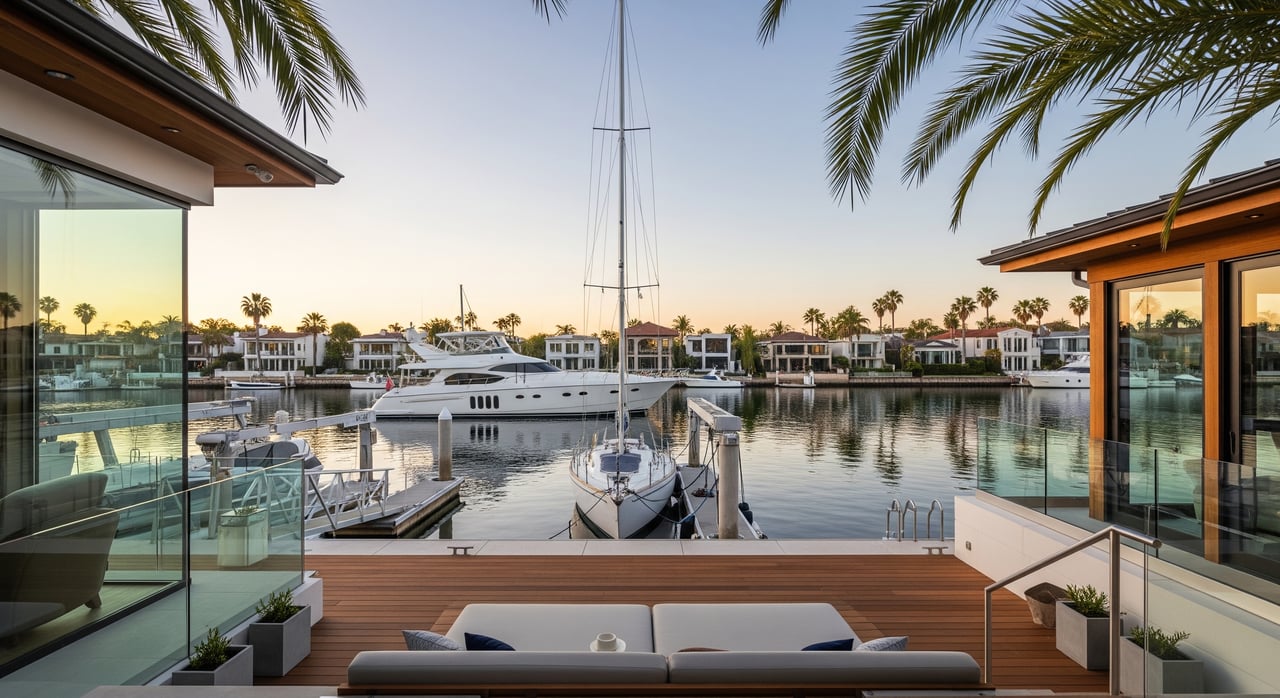
Wondering what everyday life feels like when your backyard is Newport Harbor? You might picture sunrise paddles, afternoon sails, and dinner by the water, but you also want the real story on noise, parking, and costs. In this guide, you will learn how each harbor neighborhood lives, what boat culture looks like, when the area is busiest, and what to expect as a buyer. Let’s dive in.
Newport Harbor at a glance
Newport Harbor is the protected bay framed by the Balboa Peninsula and bayfront neighborhoods like Balboa Island, Lido Isle, Harbor Island, and nearby streets with docks and marinas. The harbor connects to the Pacific through the jetty at the end of the Peninsula. The City’s Harbor Department coordinates public moorings, launch ramps, dredging, and patrol services alongside private marinas and yacht clubs.
Public life centers on the waterfront. You will find the Balboa Fun Zone, the Balboa Island Ferry, Lido Marina Village, and small parks and promenades that make it easy to stroll, bike, and stop for a view.
Neighborhoods on the water
Balboa Peninsula
The Peninsula is lively and public, with beachgoers, tourists, and harbor traffic in peak seasons. You get quick access to the ocean entrance, fun waterfront dining, and the Fun Zone. Expect more activity and event energy, especially on summer weekends.
Balboa Island
Balboa Island and Little Balboa are dense, residential, and very walkable. Narrow streets and a village feel draw people who like to stroll to Marine Avenue for coffee or dinner. Parking and summer crowds can feel tight, but many residents love the simple, pedestrian rhythm.
Lido Isle
Lido Isle has a residential, club-like feel with walkable streets and access to marinas. Some properties and townhomes offer slips through HOAs or nearby marinas. The vibe is calmer than the Peninsula yet close to restaurants and shops at Lido Marina Village.
Harbor Island
Harbor Island and select bayfront streets feature larger single-family homes, many with private docks. These areas offer direct water access and more privacy. Noise and wake exposure vary by how close you are to busy channels.
Bayfront streets nearby
Beyond the islands, many central Newport Beach streets along the bay offer dock access or proximity to public marinas. Character and privacy levels depend on street layout, channel traffic, and whether there are public walkways nearby.
Daily rhythms and boat life
Morning to evening on the water
Boating sets the pace. Expect early paddlers, morning sails, and evening harbor cruises. You will see everything from kayaks and dinghies to large yachts. Weekday activity is steady and pleasant. Weekends pick up, especially in warm months.
Club culture and community
A strong yachting scene anchors social life. Local yacht clubs host regattas, cruising events, and youth sailing lessons. Joining a club or participating in programs is a practical way to meet other boaters and settle into the community.
Dining and walkability
Waterfront cafés and restaurants cluster around Marine Avenue on Balboa Island, Lido Marina Village, and the Newport Landing and Cannery area. Many offer outdoor seating with harbor views, so it is easy to meet friends by foot or bike.
Seasonality, events, and crowds
High season runs from late spring through early fall. Summer weekends bring more boat traffic, dock activity, and dining crowds. Winter is quieter yet still mild, with many boats in the water year-round. Severe storms are uncommon, but winter rain and swells can limit boating on some days.
Signature events shape the calendar. The Newport Beach Christmas Boat Parade lights up the harbor during the holidays and draws large crowds. Summer regattas and races add intermittent surges of energy and boat traffic.
Noise, privacy, and parking reality
Noise varies by location. Homes along busy channels or near launch ramps hear more engines, generators, and occasional sirens from harbor patrol. Interior bayfront pockets and Lido Isle are often calmer. Expect spikes during events or summer weekends.
Parking and access tighten during peak times. The Peninsula and Fun Zone see beach traffic, while Balboa Island’s narrow streets fill quickly. If guest parking matters, plan your visits at different times of day to gauge what feels workable.
Property types and price orientation
- Small historic cottages on Balboa Island. Many started as mid-century cottages and have been remodeled. Lots are compact with a cottage feel.
- Townhomes and condos with slips. Common on Lido Isle and near marinas. Slips may be deeded, assigned by an HOA, or leased from a marina.
- Single-family bayfront homes. Larger properties with private docks, direct water access, and bigger footprints on Harbor Island and select streets.
- Marina slips and limited live-aboard options. Floating home and live-aboard arrangements exist in smaller numbers compared with other cities.
Waterfront homes carry a premium. As general orientation, smaller cottages or condos often start in the low to mid millions, condos or townhomes with marina access span mid-single to several million, and larger bayfront homes can range from the mid-single millions to the tens of millions. Price is shaped by dock size and type, water frontage and lot size, proximity to the channel entrance, elevation and flood profile, and the property’s design and condition.
Ongoing costs and logistics
Docks and seawalls
Bulkheads and docks require periodic maintenance. Costs vary by construction type and exposure. Confirm who is responsible and request recent inspections or repair history.
Moorings and slips
A waterfront address does not guarantee a slip that fits every boat. Public moorings and marina slips have separate fees and may involve waitlists. Review city rules and marina policies before you commit.
HOAs and rules
Many condos and some planned areas have monthly fees that cover shared docks, landscaping, insurance, and amenities. Read CC&Rs for guest slip policies, boat size limits, and rental rules. Ask about upcoming assessments.
Insurance and utilities
Expect higher homeowners premiums and consider flood insurance. Some insurers request elevation certificates or mitigation steps. Older docks may need electrical or pump-out upgrades to current code.
Permits and dredging
Dock additions and bulkhead work can require permits from multiple agencies. The harbor is dredged periodically, which can restrict access for short periods. Ask about schedules and neighborhood projects.
Risks and long-term outlook
Flood risk and sea level rise
Coastal projections indicate sea levels will rise over coming decades. Consider both current elevation and long-term exposure. Mitigation and future public works could add costs or reshape policies.
Water quality and environment
Harbor water is generally suitable for recreation most of the year. After heavy rains, bacterial contamination advisories can occur, and some back-bay pockets see algal blooms or debris. Cleanup and dredging help, but conditions vary with weather.
Market liquidity and regulation
Waterfront homes attract a specialized buyer pool and command a premium. In softer markets, marketing time can lengthen. Maintenance history, visible seawall condition, and climate exposure weigh on resale. Larger projects may face layered permitting across city, county, state, and federal agencies.
Smart buyer checklist
Site and structure
- Inspect bulkhead and seawall with a marine structural specialist.
- Evaluate dock size, power and water service, and depth. Confirm whether the slip is deeded, assigned, or leased.
- Review elevation certificates and ask about any prior flooding or storm damage.
- Confirm access and navigation, including channel proximity and any tide limits.
- Check for easements or public walkways that affect privacy or dock placement.
Financials and ownership
- Verify slip ownership rules, waitlists, and monthly fees.
- Read HOA CC&Rs, budgets, and reserves for planned assessments.
- Get quotes for homeowners, flood, and boat insurance early.
- Ask about upcoming public works, dredging, or neighborhood projects.
Lifestyle fit
- Visit at different times, including a summer weekend evening, to gauge noise and crowds.
- Test parking and guest access, including the Balboa Island Ferry if relevant.
- Sample yacht club events or community activities to see if the social scene matches your goals.
Who to hire
- Marine structural or bulkhead inspector.
- Contractor experienced in marine work and permitting.
- Local harbor or marina manager for practical navigation questions.
- Insurance broker who understands waterfront coverage.
- A real estate professional with a track record on Newport Harbor.
Is harbor living right for you?
If you love an active waterfront lifestyle with sailing, casual dockside dining, and evening cruises, Newport Harbor delivers. The trade-offs are real: busier summers, variable noise, intricate ownership rules, and ongoing dock and seawall costs. With the right due diligence, you can find a bayfront spot that balances privacy, access, and long-term value.
When you are ready to talk through options in a private, no-pressure setting, connect with Tracy Lenahan for a discreet conversation.
FAQs
What areas are included in Newport Harbor?
- The protected bay between the Balboa Peninsula and bayfront neighborhoods like Balboa Island, Lido Isle, Harbor Island, and nearby streets with docks and marinas.
How noisy is living near the main channel?
- Homes on busy channels or near launch ramps hear more engines and event activity, while interior bayfront areas and Lido Isle are often quieter.
Do all bayfront homes include a private dock?
- Not always. Some homes have deeded docks, others rely on HOA-assigned slips or leased marina space, and public moorings may involve waitlists and fees.
What ongoing costs should I expect as an owner?
- Seawall and dock upkeep, HOA dues where applicable, higher homeowners and flood insurance, and possible utility upgrades to dock power or pump-out.
When is parking and boat traffic the busiest?
- Late spring through early fall, especially on summer weekends and during major events like the Christmas Boat Parade and regattas.