Wondering whether a condo or a house makes more sense in Newport Beach? You are not alone. In a market where property type, location, and ongoing costs can vary dramatically, the right choice often comes down to how you want to live day to day, not just what catches your eye online. This guide will help you compare condos, townhomes, and single-family homes in Newport Beach so you can move forward with more clarity. Let’s dive in.
Why this choice matters in Newport Beach
Newport Beach is not one uniform market. The city includes coastal areas like West Newport, Balboa Peninsula, and Newport Bay, elevated neighborhoods such as Newport Heights and Westcliff, and hillside areas in Newport Coast. Newport Center also includes high- and mid-rise residential buildings, which helps explain why attached homes appear more often in some pockets while detached homes dominate others.
That local geography shapes both lifestyle and price. Recent market snapshots place Newport Beach at the high end of Orange County pricing, and property type makes a major difference. Redfin’s March 2026 data shows a median sale price of about $5.25 million for single-family homes, $2.41 million for condos and co-ops, and $1.6525 million for townhouses.
Newport Beach housing types at a glance
Choosing between a condo, townhome, or house is really a decision about trade-offs. You are balancing privacy, maintenance, flexibility, shared rules, and monthly costs. In Newport Beach, those trade-offs can look very different depending on the neighborhood.
Condo living in Newport Beach
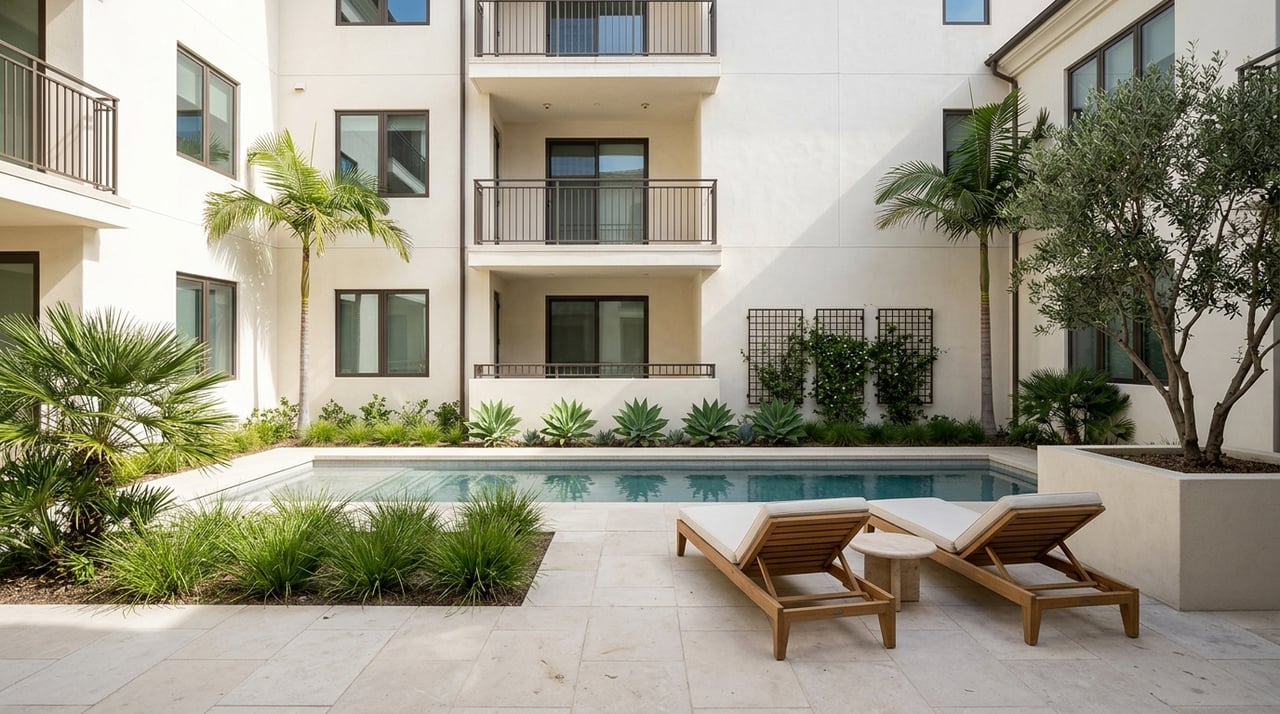
A condo is often the most low-maintenance option. If you want a lock-and-leave property, less exterior upkeep, or a home near denser coastal areas, a condo may be a strong fit. This is one reason condos often appeal to frequent travelers, second-home buyers, and downsizers.
In Newport Beach, condos are most common in higher-density or mixed-use areas such as Newport Center, Balboa Peninsula, Balboa Village, Lido and Mariner’s Mile, and communities like Villa Point, Bayside Cove, Cagney, Seabrook Cove, and Uptown Newport. If being close to the harbor, coastal activity, or a more compact lifestyle matters to you, these areas are worth watching.
There is another side to condo ownership, though. In California, condo buyers receive an HOA resale package that includes governing documents, assessment information, rental restrictions, certain board minutes if requested, and the latest exterior elevated elements inspection report. That structure can make ownership more predictable, but it also means you need to review rules, fees, and future costs carefully before you commit.
Current Newport Beach condo listings show HOA dues ranging from about $344 per month to $1,600 per month. In general, higher dues often show up in waterfront or amenity-rich buildings. That is why the monthly payment on a condo can look very different from the asking price alone.
Townhome living in Newport Beach
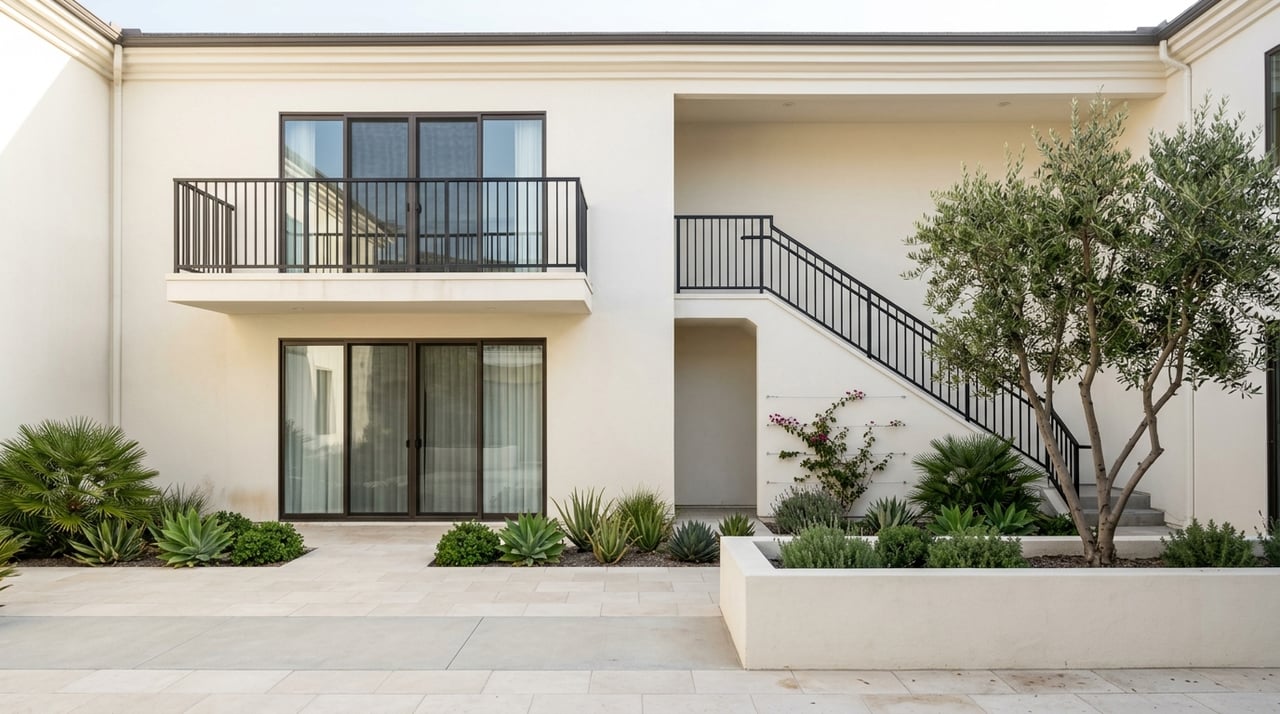
Townhomes often sit in the middle. You may get more space than a condo, but with less yard work than a detached home. Many buyers like this option when they want a more residential feel without taking on every aspect of property maintenance themselves.
In Newport Beach, townhome inventory is very location-specific. Current listings range from about $899,950 to $7.75 million, which shows how broad this category can be. In some neighborhoods, a townhome can be an entry point into the coastal market. In others, it can function as a luxury alternative to a detached home.
You are likely to see townhomes in areas such as Newport Coast, Corona del Mar, and Via Lido. Because the category varies so much by location, it helps to judge a townhome less by label and more by the setting, layout, HOA structure, and total monthly cost.
Single-family home living in Newport Beach
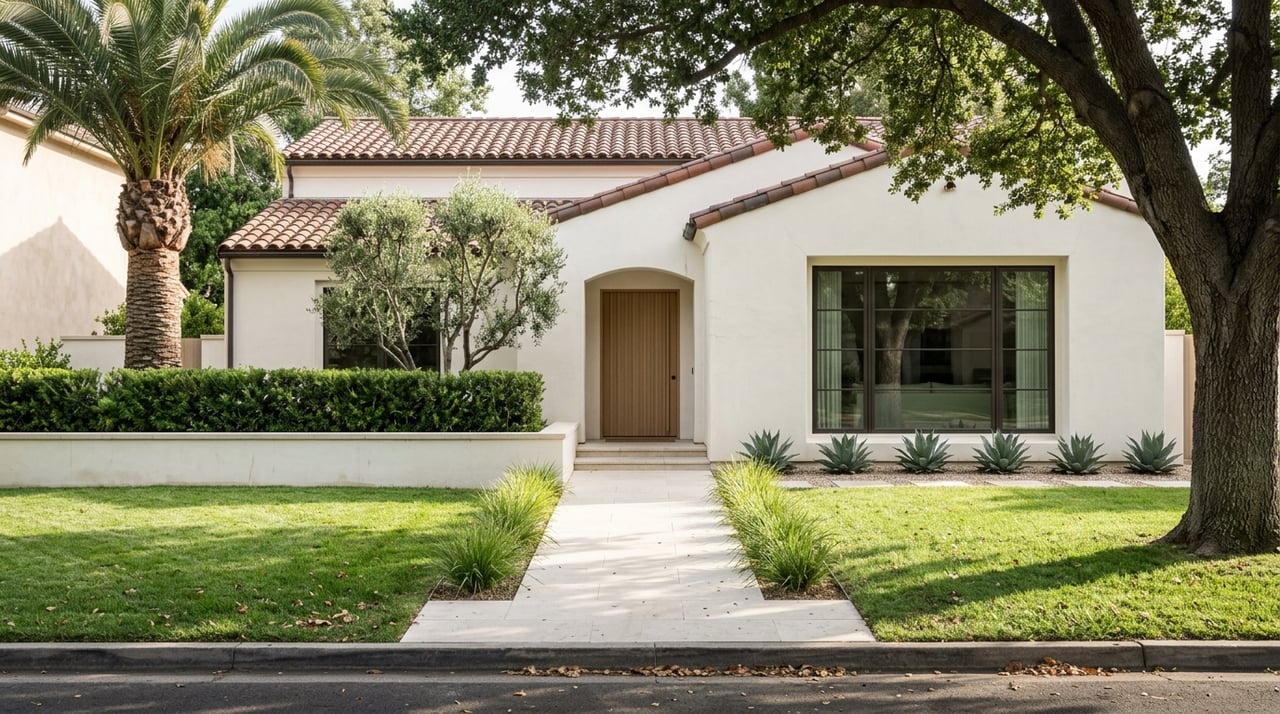
A single-family home usually offers the most privacy, lot control, and flexibility. If you care most about outdoor space, fewer shared walls, or the ability to make changes over time, a detached home may feel like the clearest fit.
In Newport Beach, detached homes are common in lower-density villages and hillside neighborhoods such as Newport Heights, Cliff Haven, Harbor View Homes, Balboa Island, Lido Isle, Irvine Terrace, Crystal Cove, and Newport Coast. These areas often attract buyers who want more separation, long-term use, or stronger control over the property itself.
Still, single-family does not always mean no HOA. Current examples in Newport Beach include detached homes with HOA dues of $595 per month and $945 per month. That is an important reminder that housing type and association costs are not always tied together in a simple way.
How location changes the decision
In Newport Beach, location often matters more than the condo-versus-house label. The spread in neighborhood pricing is wide, which suggests that scarcity, views, lot size, and neighborhood setting carry major weight. Realtor.com neighborhood medians illustrate this range, from Bayview at about $2.599 million to Crystal Cove at about $24.9 million.
That means you should avoid assuming a condo is always the value option or that a house is always the better long-term move. In one part of Newport Beach, an attached home may place you in a location that better matches your lifestyle. In another, the premium for a detached home may reflect land, views, or privacy that matters deeply to you.
Compare total ownership cost, not just price
One of the biggest mistakes buyers make is comparing only list prices. In Newport Beach, a smarter approach is to compare the full cost of ownership. In a balanced market where homes are selling for about 98% of asking price, disciplined math matters more than trying to time the market perfectly.
Here is what to compare for each property you consider:
- Mortgage payment
- Property taxes
- HOA dues
- Insurance costs
- Possible reserve or special assessment exposure
- Expected maintenance responsibilities
A condo with a lower purchase price but high HOA dues may cost more each month than you expect. A single-family home with no shared walls may still come with HOA fees, higher insurance, or larger maintenance needs. Looking at the whole picture helps you make a cleaner decision.
Questions to ask before you choose
Your best choice depends on how you want to live in Newport Beach over the next several years. Before you decide, ask yourself a few practical questions.
How much maintenance do you want?
If you want simplicity and less exterior upkeep, a condo may suit you best. If you want some middle ground, a townhome may be the better balance. If you are comfortable taking on more responsibility in exchange for privacy and control, a single-family home may be worth the added work.
How important is privacy?
A detached home usually gives you the most privacy. Townhomes can offer more separation than a condo, but often still include shared walls or close-set layouts. Condos may work well if privacy is less important than convenience, location, or amenities.
Do you want more control over the property?
If remodeling freedom and exterior control matter to you, a house often provides more flexibility. Condos and many townhomes usually come with HOA rules that can limit exterior changes and affect how the property is used. That is why reviewing the resale disclosure package carefully is so important for attached homes in California.
Are monthly dues comfortable for your budget?
HOA dues are not automatically a problem, but they should be treated as a core part of affordability. In Newport Beach, condo dues can range widely, and detached homes may have HOA dues too. Make sure you are comfortable with both today’s fees and the possibility of future assessment changes.
A simple way to decide
If you are still torn, start with your daily priorities instead of the property label. A condo may fit if you want low maintenance, easier lock-and-leave living, and a location near Newport Center, the peninsula, or the harbor. A townhome may fit if you want more room without taking on a full detached-home workload. A single-family home may fit if privacy, outdoor space, and long-term flexibility are highest on your list.
In Newport Beach, the right home is often the one that matches your routine, comfort with upkeep, and preferred setting. The clearest answer usually comes from pairing lifestyle goals with a realistic cost review.
If you want a more refined look at Newport Beach options and a private, tailored conversation about which property type best fits your goals, connect with Tracy Lenahan.
FAQs
What is the main difference between a condo and a house in Newport Beach?
- A condo usually offers lower-maintenance living and more HOA structure, while a house usually offers more privacy, lot control, and maintenance responsibility.
Are HOA fees common for Newport Beach condos?
- Yes. Current Newport Beach condo listings show HOA dues ranging from about $344 per month to $1,600 per month, depending on the building and amenities.
Do single-family homes in Newport Beach always have no HOA?
- No. Some detached homes in Newport Beach still have HOA dues, so you should confirm association costs for any property you are considering.
Where are condos most common in Newport Beach?
- Condos are most common in denser or mixed-use areas such as Newport Center, Balboa Peninsula, Balboa Village, Lido and Mariner’s Mile, and several attached-home communities.
Where are detached homes most common in Newport Beach?
- Detached homes are common in areas such as Newport Heights, Cliff Haven, Harbor View Homes, Balboa Island, Lido Isle, Irvine Terrace, Crystal Cove, and Newport Coast.
What should buyers review when purchasing a Newport Beach condo?
- Buyers should review the HOA resale package carefully, including governing documents, assessment information, rental restrictions, requested board minutes, and the latest exterior elevated elements inspection report.