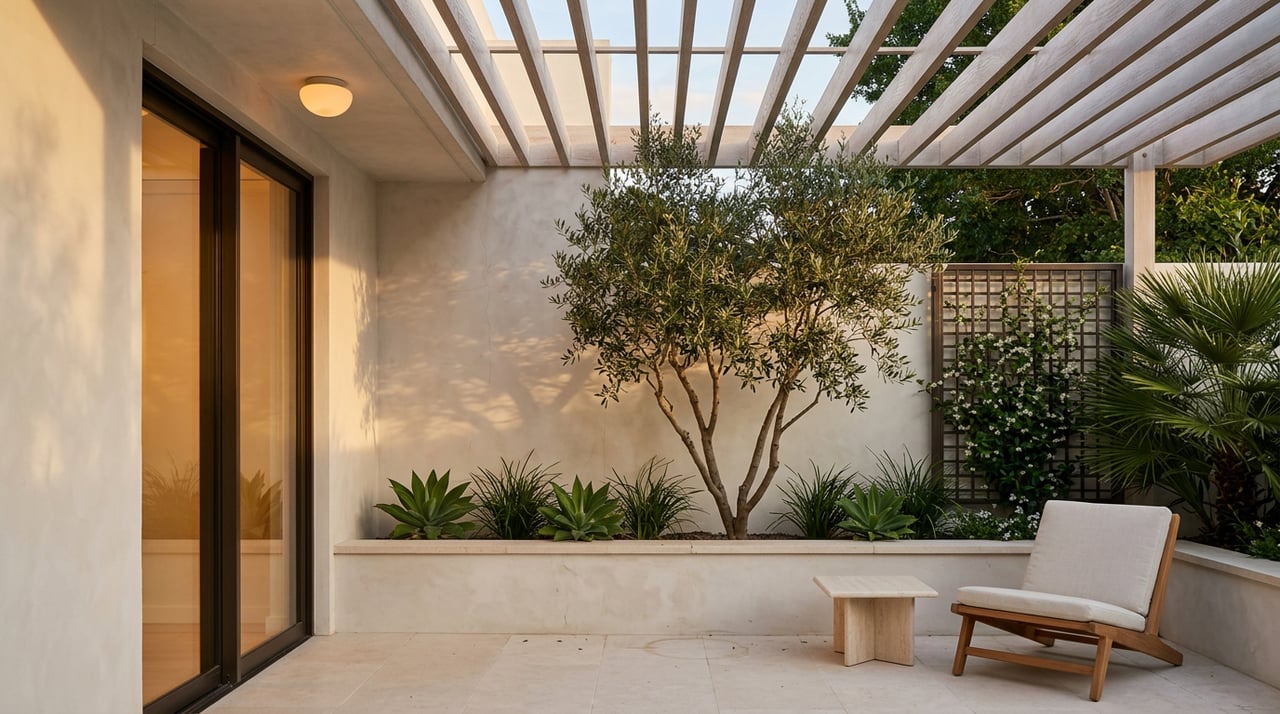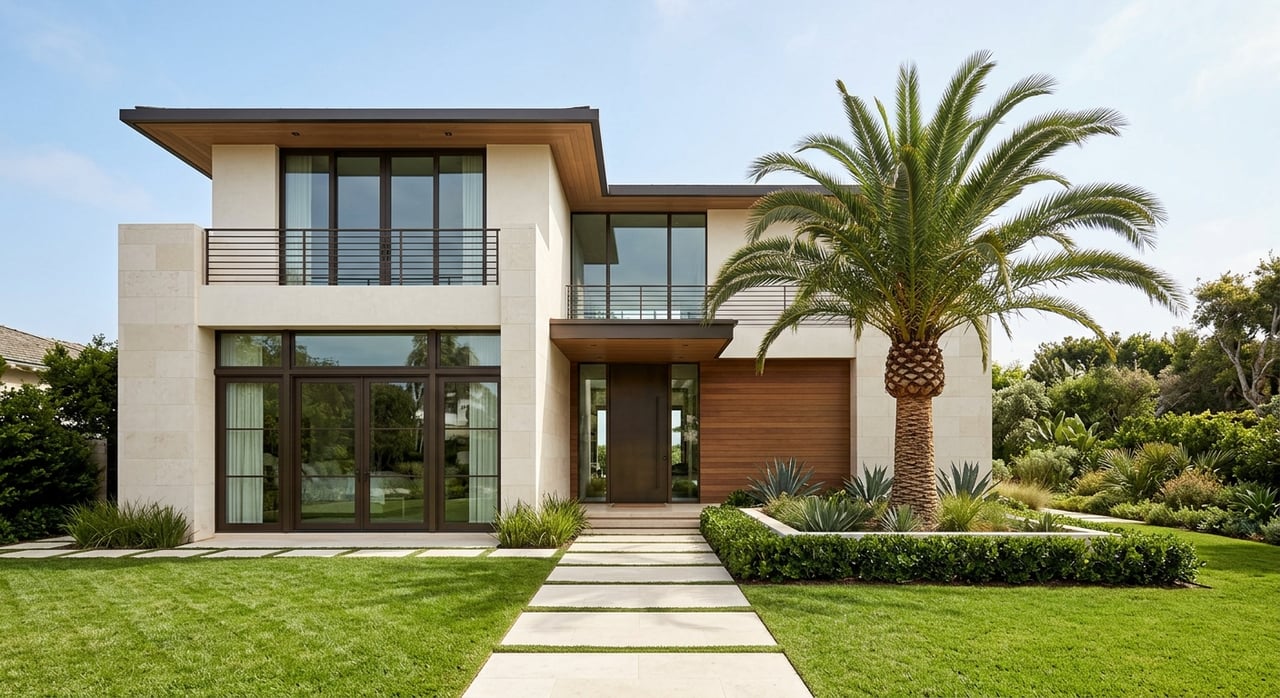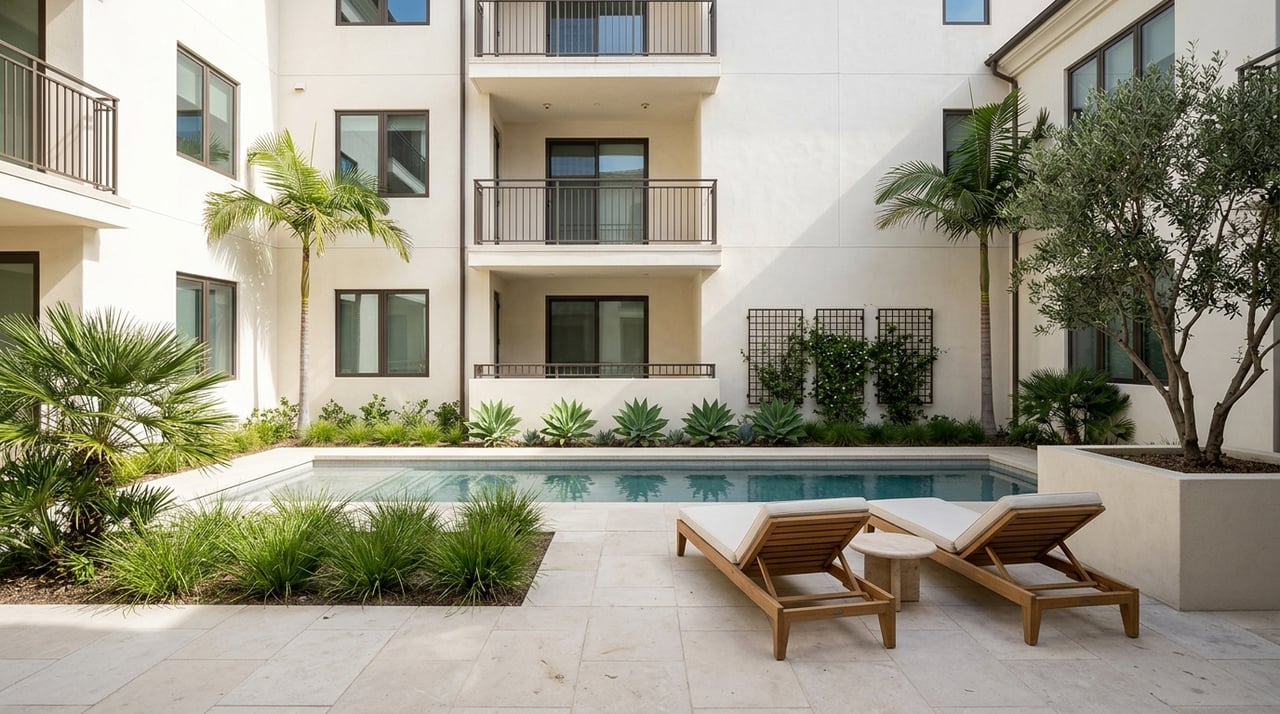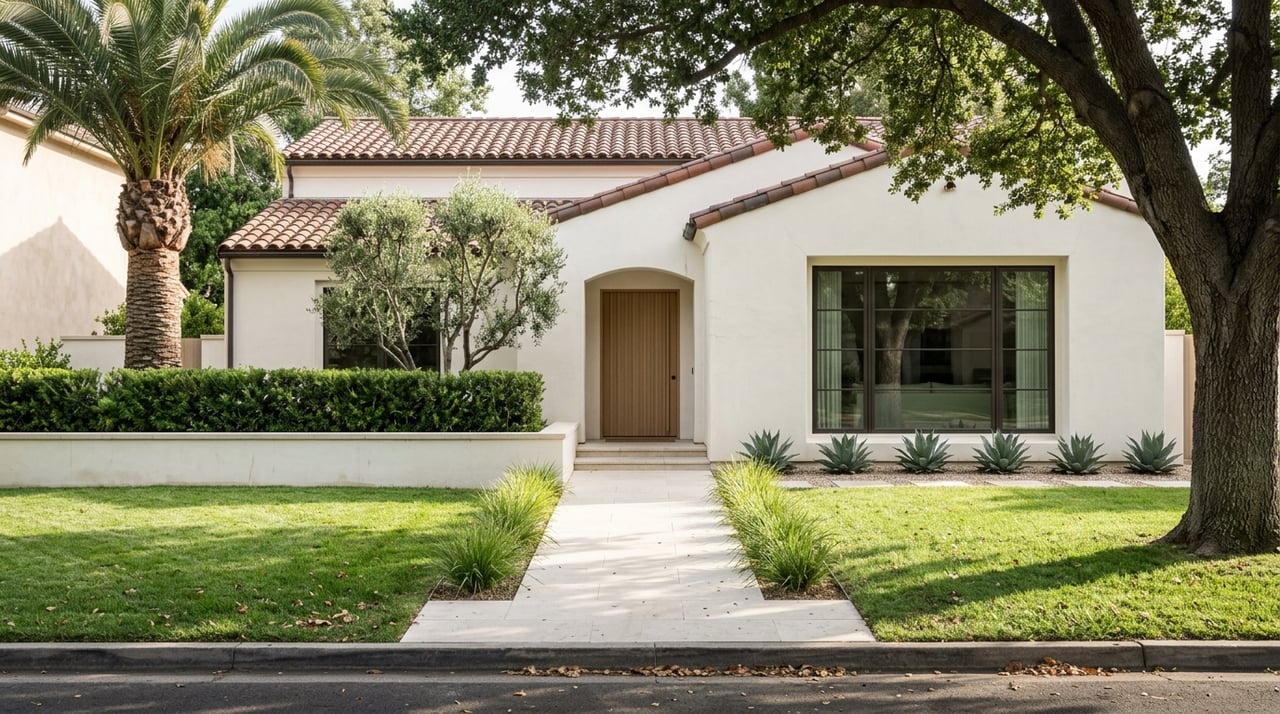
If you are weighing new construction versus an established enclave in Newport Beach, you are really choosing between two different ways of living. One offers a more uniform, recently built environment with clearer maintenance structures. The other offers layered character, mature streetscapes, and a neighborhood identity shaped over decades. In a city with limited vacant land and a village-by-village layout, that choice deserves a closer look. Let’s dive in.
Newport Beach Is a Scarcity Market
Newport Beach is not a place with large stretches of empty land waiting to be built. City planning documents describe it as a community of distinct villages, with much of its housing opportunity tied to infill and redevelopment rather than major new subdivisions.
That matters because your decision is not simply about the age of a house. In Newport Beach, the lot, the street pattern, the community standards, and the surrounding setting often shape daily life just as much as the home itself.
What New Construction Usually Means
In Newport Beach, newer homes are often found in planned communities such as Newport Coast, Bonita Canyon, Newport Ridge, Bayside Residential, Marina Park, Lido Villas, Uptown Newport, and the Residences at Newport Center. Many of these areas were developed under dedicated community standards, not just standard zoning rules.
For you as a buyer, that often translates into a more consistent neighborhood feel. Streets, home styles, and common areas may feel more coordinated because these communities were designed with a more unified plan from the start.
Newer Homes Often Offer More Predictability
One of the clearest advantages of newer construction is condition. Recently built homes often come with fewer near-term repair needs and more predictable systems, which can help if you want a smoother ownership experience in the first few years.
New construction in Newport Beach also goes through the city’s permit and inspection process. Building permits are required for all new construction and many alterations, with inspections at key stages. For homes in new subdivisions, the California Department of Real Estate requires a public report that outlines CC&Rs, HOA assessments, and common-area maintenance details.
Design Is Still Shaped by Local Rules
A newer home does not mean unlimited freedom in form or scale. Newport Beach has adopted residential design standards for new single-unit and two-unit dwellings, partly in response to concerns about bulk and massing.
That means many recent builds are carefully shaped by local standards. If you like a polished, more controlled architectural setting, that can be a benefit. If you want something looser or more varied, an established enclave may feel more natural.
What Established Enclaves Usually Offer
Some of Newport Beach’s older neighborhoods, including Balboa Peninsula, Balboa Island, Lido Isle, and Corona del Mar, developed earlier and are described by the city as traditional grid-and-alley neighborhoods with a pedestrian-oriented layout.
For many buyers, that brings a sense of place that is hard to replicate. These areas often feel more layered, more walkable, and more reflective of Newport Beach’s earlier coastal development patterns.
Character Comes With Variety
Established enclaves are rarely uniform. Newport Beach’s cottage preservation program highlights that traditional cottages in old Corona del Mar, Balboa Island, and the Balboa Peninsula vary in style and year of construction.
In practical terms, you may find an original home next to a remodel and a full rebuild on the same block. If you appreciate architectural variety and a neighborhood that evolved over time, that mix can be part of the appeal.
Older Lots Can Feel Different
Lot geometry is often one of the biggest differences between newer and older areas. City staff documents for Corona del Mar describe original subdivision lots that are often narrower, with many around 30 feet wide and deeper than they are wide.
That can create a different experience from a newer planned neighborhood. You may see more irregular lot patterns, tighter spacing, and a stronger sense of the original subdivision fabric.
Mature Landscaping Adds to the Setting
Established streetscapes often benefit from mature landscaping. Newport Beach’s Parks & Trees division maintains 35,000 trees and 665 acres of landscaped area citywide, which helps explain why older areas can feel greener and more settled.
A new build may offer fresh finishes and recent planting, but it usually takes time for landscaping to create the same visual depth. If streetscape matters to you, this is worth noticing in person.
The Trade-Offs You Should Expect
Choosing between new construction and an established enclave usually comes down to what kind of trade-offs fit your priorities best. Neither path is automatically better. The better choice is the one that matches how you want to live.
New Construction Pros and Considerations
If you are drawn to newer homes, the appeal often includes:
- More predictable condition
- Fewer near-term capital repairs
- More uniform design standards
- HOA-managed common areas in many planned communities
- Clearer disclosure around CC&Rs, dues, and maintenance structures in new subdivisions
At the same time, many newer communities come with a stronger HOA framework. In California, HOAs typically make and enforce rules for the subdivision, planned community, or condominium, and owners generally must follow CC&Rs and pay assessments.
Established Enclave Pros and Considerations
If you are drawn to older neighborhoods, the appeal often includes:
- Traditional beach-community character
- More varied architecture
- Mature landscaping
- Pedestrian-oriented grid layouts in many early neighborhoods
- A neighborhood identity shaped over decades
But older areas can also bring more friction in day-to-day living. The city notes that some older communities are close to commercial and visitor-serving uses and can be affected by limited parking, noise, and traffic.
HOA and Maintenance Differences Matter
One of the biggest practical differences between a planned newer enclave and an established neighborhood is how maintenance gets handled. In many newer communities, shared upkeep is more formalized through an HOA structure.
That can be convenient if you prefer a more managed environment. It can also mean extra rules, recurring dues, and responsibilities that are not always obvious until you review the governing documents closely.
Hillside Communities May Have Extra Requirements
This is especially important in some newer hillside areas. Newport Beach Fire says 24 communities must maintain fuel-modification zones, and Newport Coast communities typically have these zones with local HOAs owning most of the protected area.
The city also notes that properties in hazard reduction or wildland-urban interface areas may face extra vegetation rules, annual inspections, and building-code requirements for new or significantly remodeled structures tied to wildfire risk. If you are considering a hillside property, these details deserve careful review.
Older Homes Need Careful Permit Review
With established homes, the issue is often less about HOA oversight and more about the property’s individual history. Newport Beach requires permits for all new construction and for many additions or alterations, and the city warns that unpermitted work can create serious issues, including costly repairs or demolition requirements at sale.
If you are buying in an older enclave, permit history and remodel history should be part of your diligence. A home with charm is most valuable when its improvements are properly documented.
Geography Should Shape Your Decision
In Newport Beach, geography is part of the decision. The city identifies low-elevation areas such as West Newport, Balboa Peninsula, and Newport Bay; elevated terrace areas such as Newport Heights and Westcliff; and high-relief hills such as Newport Ridge and Newport Coast.
That means your choice may involve more than design style or home age. Depending on the enclave, you may want to weigh flood exposure, hillside maintenance, view corridors, walkability, and wildfire mitigation.
A Simple Buyer Framework
If you want a practical way to decide, start with how you want ownership to feel.
Choose Newer Construction If You Want
- More predictable systems and condition
- A more uniform architectural package
- HOA-managed common areas
- A neighborhood shaped by dedicated community standards
- A more structured maintenance environment
Choose an Established Enclave If You Want
- Traditional coastal character
- More variation from one property to the next
- Mature landscaping and settled streetscapes
- A pedestrian-oriented layout in many older neighborhoods
- A neighborhood identity that has evolved over time
For many buyers, the final answer is not simply “new” or “old.” It is which block, which lot, and which village best fits your daily rhythm.
The Best Choice Is Personal
A sleek newer home in a planned enclave can offer ease, consistency, and a more predictable ownership experience. A home in an established Newport Beach neighborhood can offer texture, history, and a stronger sense of place.
In a built-out market like Newport Beach, both options can be compelling. What matters most is understanding the trade-offs clearly, then choosing the setting that supports the life you want to live there.
If you are considering a move in Newport Beach and want a more private, design-led perspective on which enclaves align with your goals, Tracy Lenahan can help you navigate the options with discretion and clarity.
FAQs
What does new construction usually look like in Newport Beach?
- In Newport Beach, newer homes are often found in planned communities such as Newport Coast, Bonita Canyon, Newport Ridge, Bayside Residential, Marina Park, Lido Villas, Uptown Newport, and the Residences at Newport Center, where development commonly follows dedicated community standards.
What defines an established enclave in Newport Beach?
- Established enclaves in Newport Beach typically include earlier-developed areas such as Balboa Peninsula, Balboa Island, Lido Isle, and Corona del Mar, which often feature traditional grid-and-alley layouts, varied architecture, and mature streetscapes.
Are older Newport Beach neighborhoods more walkable?
- Many older Newport Beach neighborhoods are described by the city as pedestrian-oriented, especially those with traditional grid street patterns, though walkability can come with trade-offs such as parking limits, traffic, and nearby visitor activity.
Do newer Newport Beach communities usually have HOAs?
- Many newer Newport Beach communities do have HOA structures, and buyers should review CC&Rs, assessments, and common-area maintenance obligations carefully because these can shape both monthly costs and day-to-day ownership.
Why does geography matter when choosing a Newport Beach home?
- Geography matters because different Newport Beach enclaves may involve different practical issues, including low-elevation flood considerations, hillside vegetation management, wildfire mitigation, view corridors, and walkability.
What should buyers review before purchasing an older Newport Beach home?
- Buyers should review permit history, alteration records, and remodel details carefully, since the city requires permits for many additions and changes and warns that unpermitted work can create major problems during a sale.